Selling in Winter Garden can feel exciting and a little high-stakes at the same time. You want strong offers, a smooth launch, and a home that stands out the moment buyers see it online or pull up to the curb. The good news is that the highest-impact prep is often practical, visible, and very doable. If you focus on the right areas first, you can make your home feel more polished, more inviting, and better positioned for top dollar. Let’s dive in.
Start With Winter Garden Curb Appeal
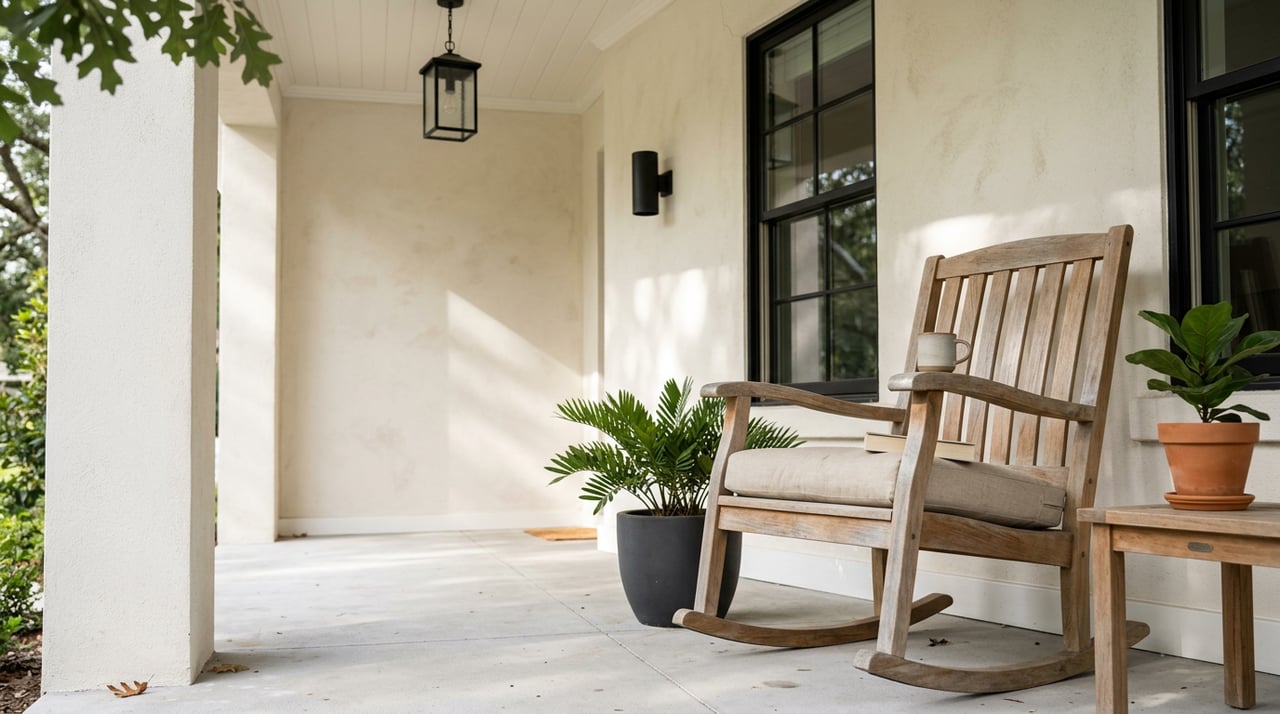
In Winter Garden, exterior condition matters for more than first impressions. City code enforcement highlights yard maintenance, junk and trash removal, and inoperable vehicles as common issues, so a neglected exterior can create both a buyer objection and a code concern.
Your first pass should be simple and highly visible. Mow and edge the lawn, trim shrubs, refresh mulch, pressure-wash the driveway and walkways, clean the front entry, replace burned-out bulbs, and remove anything that makes the property look crowded or overlooked.
This step does two important jobs at once. It helps your home photograph better, and it signals to buyers that the property has been cared for. In a lifestyle-driven market like Winter Garden, that sense of upkeep supports both value and neighborhood pride.
Focus on the Front Entry
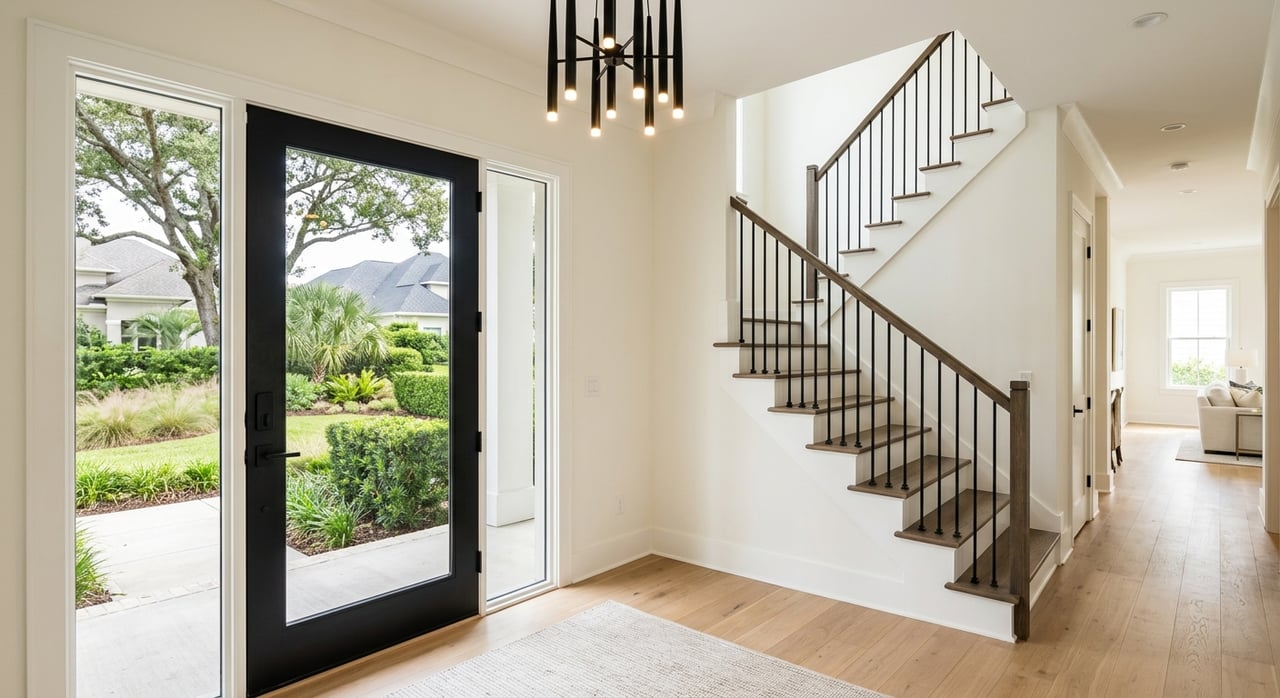
Your front door area sets the tone before buyers even step inside. Touch up peeling paint, wipe down glass, and make sure the hardware, light fixtures, and house numbers look clean and consistent.
If you have the budget for a light update, this is one of the smartest places to use it. Zonda’s 2025 Cost vs. Value findings show that exterior replacement projects tend to deliver stronger resale value than larger, more discretionary interior renovations.
Declutter the Rooms Buyers Notice Most
Once the exterior is handled, turn your attention to the spaces that shape a buyer’s first impression indoors. According to NAR’s 2025 Profile of Home Staging, the most important rooms to stage are the living room, primary bedroom, and kitchen.
That does not always mean full professional staging. It often means editing what is already there so the home feels open, calm, and easy to understand. Buyers want to picture how they would live in the space, and too much furniture or personal clutter makes that harder.
Make the Living Room Feel Larger
Start by removing extra chairs, oversized decor, and anything that blocks natural pathways. If the room feels tight, store a piece or two of furniture to improve sightlines.
Keep surfaces mostly clear and add only a few simple accents. The goal is not to make the room look empty. The goal is to make it feel spacious, functional, and bright.
Simplify the Primary Bedroom
Your primary bedroom should feel restful and roomy. Clear dressers and nightstands, reduce personal items, and use bedding that looks fresh and neutral.
If the room has a sitting area or awkward corner, define it with a simple purpose. Even a small reading chair or tidy bench can help buyers see the space as usable rather than unfinished.
Edit the Kitchen Carefully
Kitchens carry a lot of emotional weight for buyers. Clear counters as much as possible, remove magnets and papers, and organize open shelves or glass-front cabinets.
You do not need a full remodel to make a kitchen show better. Minor fixes like fresh caulk, updated hardware, working light bulbs, and a deep clean can go a long way in helping the space feel move-in ready.
Prioritize Photo-First Marketing
A great listing often wins or loses attention before a buyer ever schedules a showing. NAR reports that many buyers start online, 52% found the home they purchased online, and listing photos are one of the most useful features in that search process.
That means your home should be fully cleaned, decluttered, and staged before photography day. If you wait to finish details until after photos, you risk missing the most important first impression.
Prepare for the First Photo
The first image matters most because it helps buyers decide whether to keep scrolling or click in. That lead photo should usually be a strong exterior image or another visually compelling shot that captures the home at its best.
After that, the photo order should highlight the rooms that matter most, including the living room, kitchen, primary bedroom, and any well-kept outdoor living space. In Central Florida, those indoor-outdoor lifestyle moments can be especially appealing when they are clean, bright, and well presented.
Choose Light Updates Over Big Renovations
If you are listing within the next few months, be careful where you spend your money. The research points to a clear pattern: small, visible improvements often make more sense than major remodels when resale timing is short.
Zonda’s 2025 report found that exterior replacement projects rank especially well for resale value, while large discretionary interior upgrades may not be fully recovered at sale. For most sellers, that means the smarter budget goes toward improvements buyers see right away.
Smart Pre-Listing Updates
Consider updates like these before you list:
- Touch up interior and exterior paint
- Refresh the front or garage door
- Replace dated or worn light fixtures
- Update cabinet hardware
- Re-caulk sinks, tubs, and backsplashes
- Fix minor kitchen or bath issues
- Replace burned-out bulbs
- Deep clean tile, grout, and windows
These projects are not flashy, but they often help a home feel better maintained. That matters when buyers are comparing several homes over a short search window.
Know When Permits Matter
Winter Garden’s code guidance notes that structural repairs, re-roofing, and most plumbing or electrical work require permits. If you are considering anything beyond cosmetic prep, make sure you understand what applies before starting work.
For many sellers, staying focused on cosmetic improvements is the best move anyway. It keeps your timeline cleaner and helps you avoid spending on projects that may not meaningfully improve your sale result.
Build a Strong Showing Routine
Once your home goes live, the first few weeks are especially important. Buyer search patterns suggest that the early launch window is when momentum matters most, so your home needs to stay ready for both planned and short-notice showings.
This is where good preparation pays off. A home that is easy to reset each day is much easier to keep market-ready without added stress.
Use a Daily Reset Checklist
Create a quick routine you can do in 15 to 20 minutes:
- Clear kitchen and bathroom counters
- Make all beds
- Open blinds where appropriate for light
- Turn on lamps or key overhead lights
- Store pet items and plan for pet access
- Take out trash as needed
- Do a fast sweep of floors and entry areas
This kind of routine helps your home stay consistent from showing to showing. It also makes open house prep much less overwhelming.
Keep Access Flexible
Buyers today often move quickly when a home catches their eye online. If showing access is too limited, you may miss buyers during the most important launch period.
As much as your schedule allows, aim for flexibility. Comfortable temperature, lights on, and an easy-to-see path through the home can all help buyers focus on the property rather than the logistics.
Why Preparation Matters in This Market
Spring 2026 market snapshots for Winter Garden vary by source, but they tell a similar story. Whether you look at Zillow, Redfin, Realtor.com, or broader Orlando Regional REALTOR Association data for the area, the takeaway is consistent: presentation, pricing, and a clean launch matter.
That is good news for sellers because preparation is one of the few things you can control. You cannot change the competition overnight, but you can improve how your home shows, how it photographs, and how buyers feel when they walk through the front door.
A polished home does more than look nice. It supports stronger perceived value, helps reduce buyer hesitation, and gives your listing the best chance to stand out in a busy online search environment.
If you are thinking about selling in Winter Garden, the best plan is usually not to do everything. It is to do the right things in the right order: exterior first, key rooms next, photos before launch, visible updates over major renovations, and a solid showing routine once the home is live.
When you want practical guidance on what to do, what to skip, and how to position your home for today’s buyers, Susana Wight can help you create a strategy that fits your timeline, your goals, and your home.
FAQs
What should you fix before selling a home in Winter Garden?
- Start with visible issues buyers notice right away, including yard cleanup, clutter removal, touch-up paint, lighting, minor hardware updates, deep cleaning, and small kitchen or bath fixes.
Which rooms matter most when staging a Winter Garden home?
- The living room, primary bedroom, and kitchen are the most important rooms to stage because they have a strong impact on how buyers picture daily life in the home.
How important are listing photos when selling a Winter Garden home?
- Listing photos are extremely important because many buyers begin online, and strong photos help your home stand out before anyone schedules a showing.
Should you renovate before listing your Winter Garden home?
- In many cases, light cosmetic updates are a better pre-listing investment than major renovations, especially if you plan to sell within the next few months.
How do you keep a Winter Garden home show-ready?
- Use a simple daily reset routine that keeps counters clear, beds made, lighting on, pet items stored, and the home clean enough for short-notice showings.